

Table of Contents
Man Made Diamonds: What You Need to Know Before You Buy
You are not just buying a stone. You are making a decision about value, durability, and long term satisfaction. Man made diamonds give you a way to own a real diamond without paying the premium tied to mining. They are not fake. They are not imitation. They are diamonds made in a controlled environment using advanced technology. The result is a stone that matches natural diamonds in structure, hardness, and appearance. But knowing this is not enough. You need to understand how to choose well.
What Man Made Diamonds Actually Are
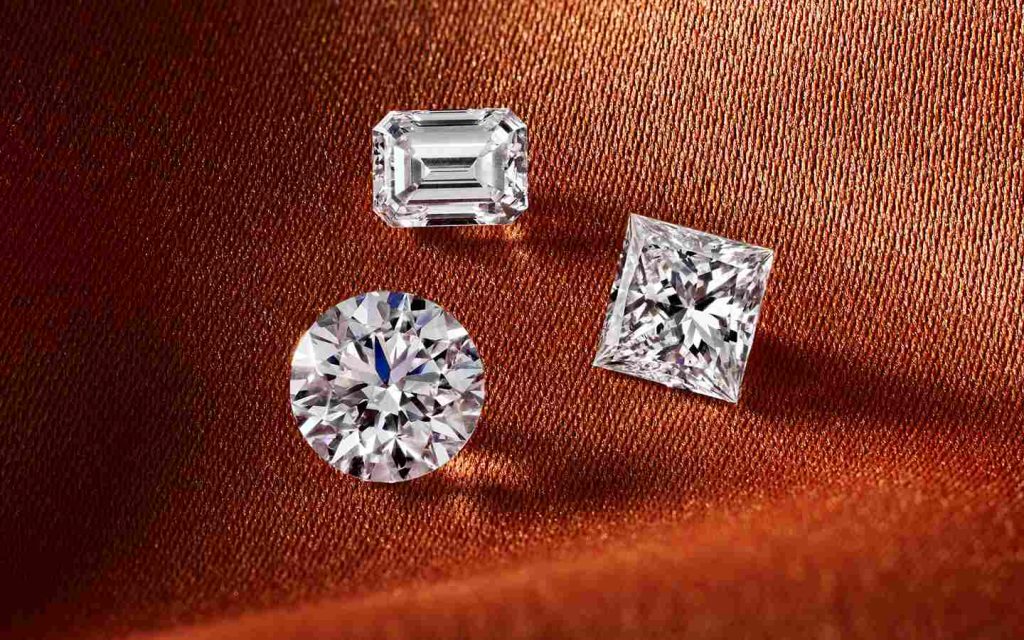
A man made diamond is created in a lab using two main methods. High Pressure High Temperature or Chemical Vapor Deposition. Both methods replicate how diamonds form in nature. This means: Same carbon structure Same hardness Same brilliance Even trained experts need special tools to tell the difference. Example: A 1 carat lab diamond and a 1 carat mined diamond can look identical to your eye.
Why People Choose Them
The decision often comes down to value and control. You get more size or better quality for the same budget. You also avoid the uncertainty tied to mining practices. Here is what usually drives the choice:
- Lower cost for the same visual quality
- More options within a fixed budget
- Transparent origin
- Consistent supply and grading
If you are comparing options like lab created diamond earrings, this is where most buyers shift toward lab stones.
Price vs Value
Price is what you pay. Value is what you get. Man made diamonds typically cost 30 to 50 percent less than natural diamonds of the same size and quality. This allows you to upgrade in one of three ways: Larger stone Better clarity Better color Example: Instead of a smaller natural diamond with visible inclusions, you can choose a cleaner larger lab diamond for the same price. But lower price does not mean better investment. These diamonds do not hold resale value the same way natural diamonds do. If your focus is resale, this matters. If your focus is wearing and enjoying, it does not.
How to Judge Quality
You still need to evaluate the 4Cs. Cut matters most. It controls how the diamond reflects light. Clarity affects how clean the stone looks. Color determines how white the diamond appears. Carat defines size. Focus on cut first. A well cut diamond will always look better than a larger poorly cut one. Example: A smaller excellent cut diamond can look brighter than a bigger average cut stone.
Choosing the Right Jewelry Piece
When selecting pieces like lab created diamond earrings, the goal is balance. You want symmetry. You want matching stones. You want secure settings. Look for: Matching carat weight on both sides Similar color and clarity grades Strong setting like prong or bezel Stud earrings are the most common choice because they are simple and versatile. Drop earrings add movement and draw more attention. Hoops give a modern feel and can include multiple stones. Choose based on how often you plan to wear them.
Durability and Everyday Use
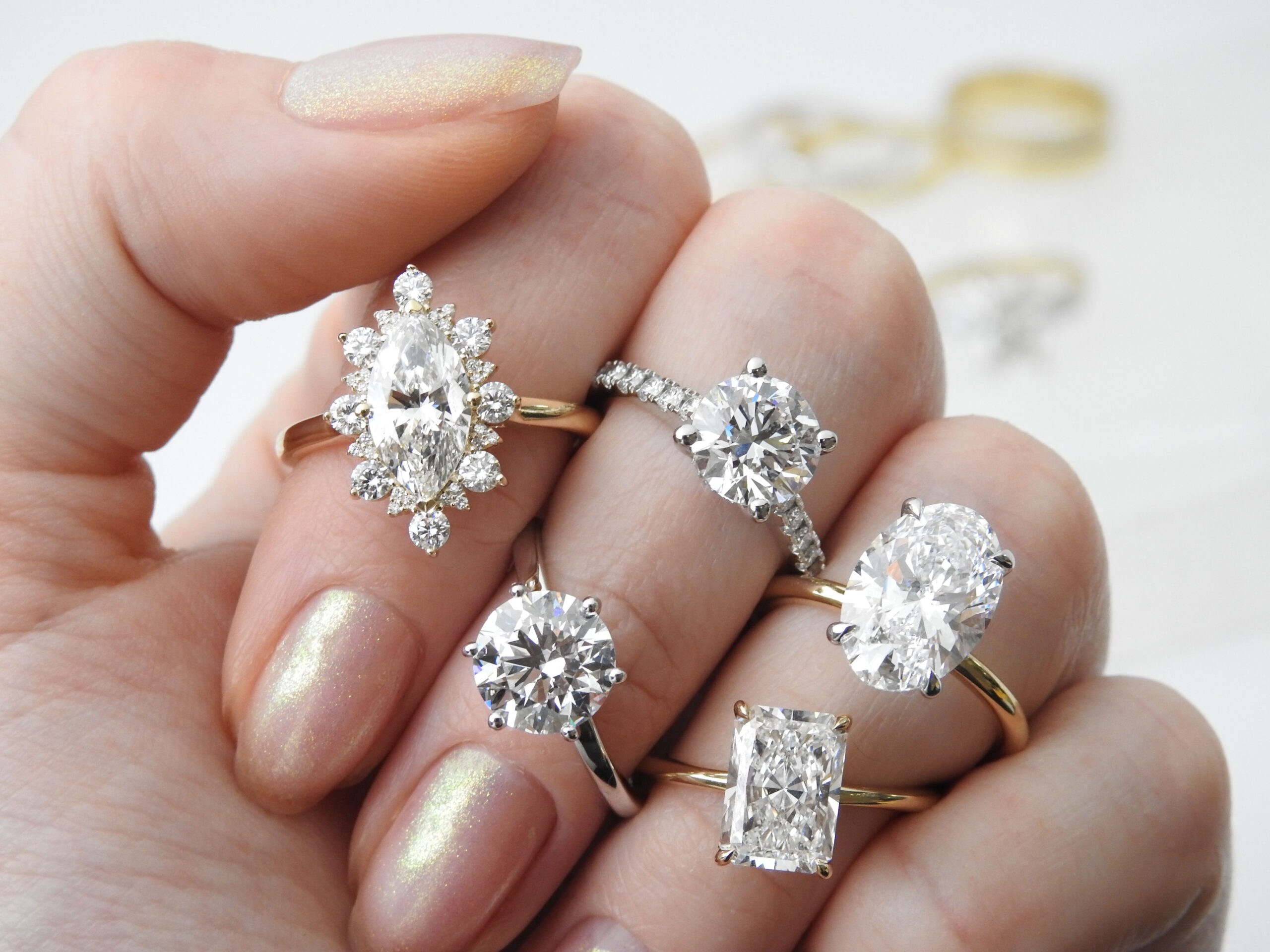
Diamonds are one of the hardest materials available. Man made diamonds rank the same as natural diamonds on the hardness scale. This makes them suitable for daily wear. But settings matter just as much as the stone. A weak setting can lead to loss even if the diamond itself is strong. Check the metal quality and how the stone is held. Example: Four prong settings are common but six prong settings offer more security.
Ethical and Environmental Factors
This is often a deciding factor. Lab diamonds reduce the need for mining. This appeals to buyers who want a cleaner supply chain. However, not all labs operate the same way. Energy use can vary. Some labs use renewable sources while others do not. Ask about sourcing when it matters to you. The key point is control. Lab production gives more traceability than traditional mining.
Certification Matters
Always check for certification from a recognized grading lab. This confirms the diamond’s quality and authenticity. Look for reports from: GIA IGI These reports detail cut, color, clarity, and carat. Without certification, you are relying on claims.
Common Buying Mistakes
Most mistakes come from rushing. Avoid these:
- Choosing size over cut quality
- Ignoring certification
- Not comparing multiple options
- Overpaying for brand instead of quality
Take your time. Compare stones side by side when possible.
How to Set Your Budget
Start with a clear number. Then decide what matters most. If size matters, adjust clarity slightly. If brilliance matters, prioritize cut above all. Example: With a fixed budget, you can choose: Larger diamond with slightly lower clarity Smaller diamond with top cut and clarity There is no single correct choice. It depends on your priorities.
Are Man Made Diamonds Right for You
They are a strong choice if: You want maximum visual value You are buying for personal use You care about controlled sourcing They may not be ideal if: You are focused on resale value You prefer natural origin regardless of cost The decision is practical. It is not emotional unless you make it so.
Final Buying Checklist
Before you purchase, confirm:
- Certified diamond
- Strong setting
- Balanced 4Cs
- Clear return policy
If all four are covered, you are making a solid choice.
FAQs
Are man made diamonds real diamonds?
Yes. They have the same chemical and physical properties as natural diamonds.
Do lab diamonds lose their shine over time?
No. They maintain their brilliance just like natural diamonds. Regular cleaning keeps them looking sharp.
Are they a good choice for everyday wear?
Yes. Their hardness makes them suitable for daily use as long as the setting is secure.