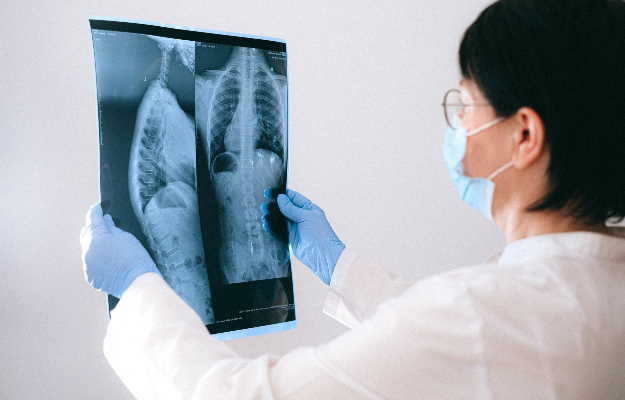


Recovery after spine surgery once involved extended hospital stays and long rehabilitation periods. That model is evolving as Enhanced Recovery After Surgery (ERAS) protocols become more widely integrated into spine care. Dr. Larry Davidson, a board-certified neurosurgeon with fellowship training in complex spinal surgery, recognizes how structured coordination across surgical and anesthesia teams is refining recovery. ERAS applies evidence-based practices across each phase of care to create a more organized and consistent process focused on safety.
ERAS is a framework that integrates patient education, nutrition, anesthesia planning, early mobilization, and standardized follow-up. Its structure is designed to minimize surgical strain, preserve function, and maintain consistency across each stage of recovery. In spine surgery, where pain, anxiety, and deconditioning can overlap, this coordination helps guide the transition from the operating room to home within a more organized and transparent care plan.
Table of Contents
What ERAS Means in Practice
ERAS preparation begins well in advance of surgery, centering on education and clear communication. Preoperative discussions outline expectations, clarify timelines, and define each patient’s role in the recovery process. Patients review guidance on nutrition, rest, and early mobility. This early coordination supports readiness and creates a structured foundation for the procedure ahead.
On the day of surgery, teams use short-acting anesthetics and multimodal analgesia to control pain through multiple pathways while limiting opioids. Regional techniques and local infiltration can help alleviate early pain without requiring excessive sedation. These steps promote faster wake-up times and safer transfers to recovery areas, setting up earlier ambulation.
The Preoperative Phase: Foundation for Success
Patient preparation extends beyond scheduling and consent. Individuals review what to expect, what they can manage independently, and how to prepare their homes for a safe return. Lifestyle factors such as smoking cessation and diabetes management are addressed early. Nutrition plans may include protein and carbohydrate goals to maintain balance. At the same time, sleep and stress management routines help create steadier conditions for recovery.
Medication coordination is another essential step. ERAS teams collaborate with primary care physicians and pain specialists to adjust or taper medications that may impact anesthesia or postoperative stability. Patients receive clear guidance on which prescriptions to continue the morning of surgery and which to pause under supervision.
The Intraoperative Phase: Precision and Protection
In the operating room, ERAS emphasizes minimally invasive approaches when appropriate, supported by imaging and navigation that help guide precision and limit unnecessary tissue disruption. Anesthesia teams employ balanced, low-dose strategies and closely monitor fluid levels to maintain stability throughout the procedure. Temperature regulation, nausea prevention, and positioning protocols are applied to support circulation and reduce strain on surrounding structures.
These coordinated measures are designed to maintain consistency from the surgical field to recovery. Aligning anesthesia and surgical plans allows the transition from operation to postoperative care to proceed in a more organized and predictable manner.
The Postoperative Phase: Early Wins, Safer Discharge
Once in recovery, attention shifts to steady, observable milestones. Patients begin with ice chips, followed by liquids and light food as tolerated. Multimodal pain control continues with scheduled non-opioid medications and supplemental doses when necessary. Nursing teams monitor breathing exercises and positioning, while physical therapy introduces gradual mobility through short walks and basic transfers.
Dr. Larry Davidson notes, “Preparing patients for what to expect is just as important as the procedure itself. They come in that morning, get prepped, have the surgery, recover in a dedicated area and only go home once it is medically safe to do so.” This emphasis on communication and consistency reflects a coordinated model of care that supports safety and clarity throughout the recovery process.
Why ERAS Works for Spine Patients
Spine surgery presents distinct challenges. Pain may limit movement, and concern about reinjury can make participation in therapy more difficult. ERAS addresses these factors through structure and consistency. Clear and consistent communication from every member of the care team helps patients navigate each phase with confidence and understanding.
Multimodal analgesia strategies are applied to manage discomfort while minimizing the side effects commonly associated with higher opioid doses. When alertness and comfort are maintained, patients are better able to engage in activities such as walking, hydration, and guided breathing. Coordinated discharge planning further supports rest and stability once patients return home.
Measuring What Matters
ERAS programs depend on continuous evaluation. Teams track measurable indicators such as time to ambulation, length of stay, readmissions, unplanned emergency visits, opioid use, and patient-reported pain and function. These data points enable regular review of order sets, educational materials, and transitions between surgery, recovery, and outpatient therapy, thereby reinforcing consistency across all stages of care.
Patient experience is also part of that evaluation. Monitoring feedback and communication patterns helps identify areas where patients may need clearer guidance or additional support. When care teams maintain timely follow-up after discharge, coordination remains strong, and questions are addressed before they develop into barriers.
The Role of Physical Therapy and Home Readiness
Physical therapy is a central component of ERAS planning. Therapists provide guidance on safe transfers, posture, and gait mechanics that correspond to each procedure. These early sessions emphasize controlled movement and help establish habits that support continued progress after discharge.
Home preparation is also part of the process. Patients are encouraged to set up a safe recovery environment by arranging a suitable sleeping area, clearing walkways, and ensuring assistance is available during the first 24 to 48 hours. Simple equipment, such as ice packs, grabbers, or shower chairs, can help reduce unnecessary strain during daily activities. A structured outpatient therapy plan supports continuity.
Digital Tools and Home Monitoring
New technologies continue to strengthen ERAS implementation in spine care. Patient-facing applications now provide reminders, instructional videos, and symptom tracking tools to reinforce education beyond the hospital setting. Remote monitoring systems can record step counts, heart rate, and sleep patterns during the early recovery period, enabling care teams to identify changes in activity levels and provide targeted guidance when needed.
ERAS represents a shift toward structured, coordinated recovery rather than passive observation. By connecting preoperative education, anesthesia management, early mobility, and ongoing follow-up, these protocols establish a consistent framework for post-surgical care. The result is a more transparent process in which patients understand expectations, and teams can adjust support based on objective data and observed progress.