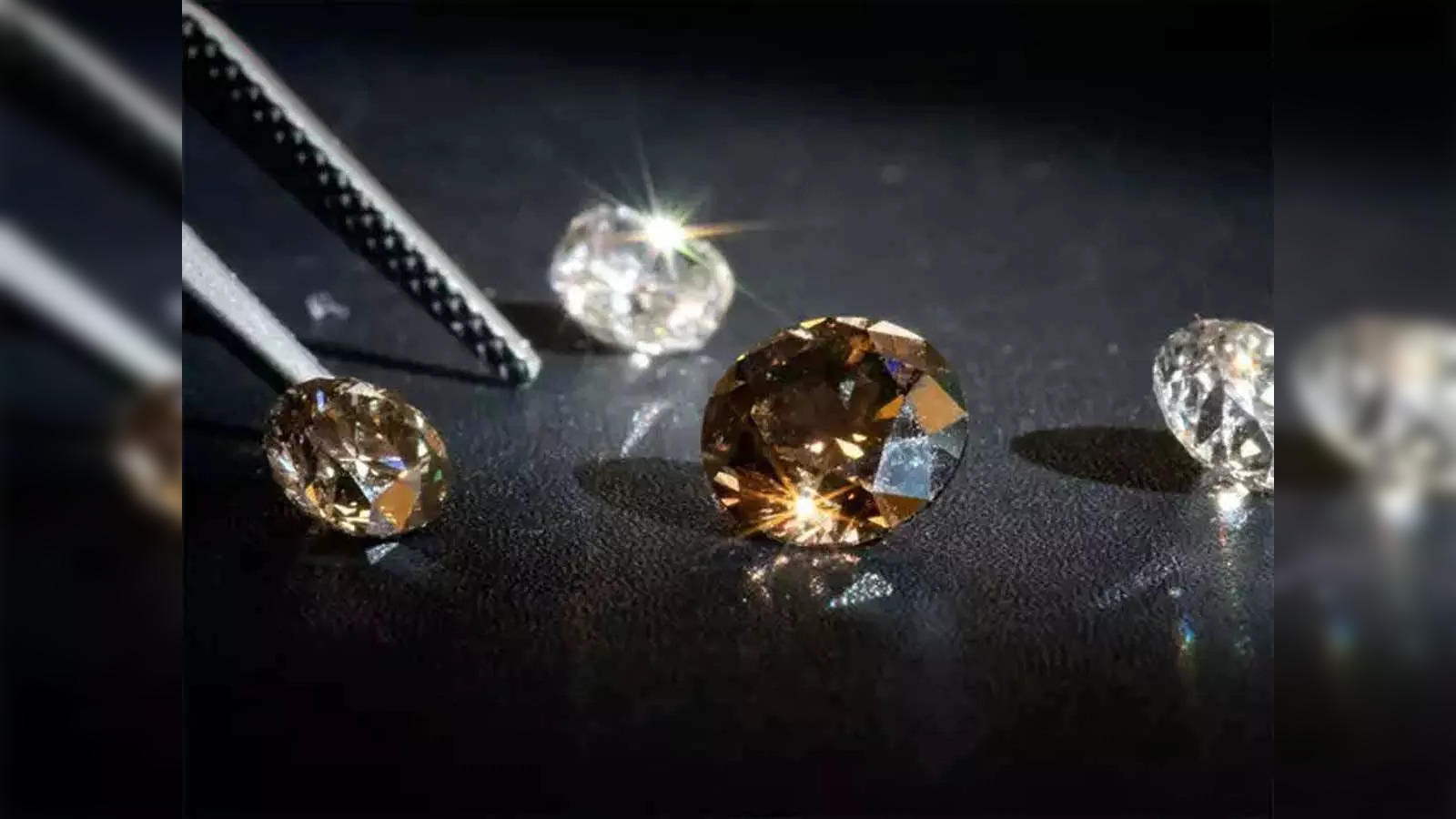


Choosing an engagement ring often starts with one question: which shape feels both personal and timeless? Oval engagement rings offer a graceful answer. Their elongated shape creates an elegant look while giving buyers plenty of flexibility with settings, metals, and design details.
An oval center stone can feel classic in a solitaire or more detailed in a halo setting. Understanding proportions, cut quality, durability, and setting choices makes it easier to find a ring that looks beautiful beyond the display case.
Table of Contents
Why the Oval Shape Has Lasting Appeal
Oval diamonds combine the soft curves of a round stone with a longer silhouette. That shape creates a refined appearance without looking overly formal. It can also make the center stone appear larger because more of its surface is visible from above.
The elongated outline may create a lengthening effect on the finger. This makes the shape flattering across many hand sizes and finger types. Buyers can also choose between slightly rounded ovals and longer, narrower stones based on personal taste.
Another advantage is versatility. Oval stones work with yellow gold, white gold, rose gold, and platinum. They also pair naturally with vintage details, clean modern bands, and decorative side stones.
What to Look for in Oval Engagement Rings
Unlike round diamonds, oval stones do not receive an official cut grade from the GIA. Buyers need to examine several characteristics together instead of relying on one grade.
Pay Attention to Proportions
Length-to-width ratio describes how long or rounded an oval appears. Many buyers prefer a ratio around 1.30 to 1.50, although there is no single ideal number.
A lower ratio creates a wider, softer shape. A higher ratio produces a slimmer and more elongated appearance. Personal preference should guide this decision because two well-cut stones can look very different.
Check the Bow-Tie Effect
Many oval diamonds show a darker area across the center known as the bow-tie effect. It happens because of how light travels through an elongated brilliant-cut stone.
A slight bow tie is common and does not automatically indicate poor quality. However, a very dark or obvious one can distract from the diamond’s sparkle. Viewing videos or inspecting the stone under different lighting can help buyers judge its appearance.
Look Beyond the Certificate
A grading report provides useful information about carat weight, color, clarity, polish, and symmetry. Still, numbers cannot describe every visual feature.
Compare several stones with similar grades whenever possible. One may show stronger brilliance, better proportions, or a less noticeable bow tie. Visual performance should play a major role in the final choice.
Choosing the Right Diamond Quality
Diamond grades affect price, but the highest grade in every category is rarely necessary for a beautiful ring. Smart buyers focus on qualities they can actually see.
For color, near-colorless grades can provide strong value, especially in white metals. Yellow or rose gold settings may also make slightly warmer diamonds appear attractive because the metal already adds warmth to the design.
Clarity deserves the same practical approach. A diamond does not need to be flawless if inclusions are invisible without magnification. An eye-clean stone can offer excellent visual appeal at a lower cost.
Buyers who want a different sourcing option may also consider man made diamonds. They have the same basic crystal structure and optical properties as mined diamonds, while often allowing more flexibility in size or quality within a set budget.
Settings That Complement an Oval Center Stone
The setting affects both appearance and everyday practicality. It should secure the stone while supporting the style the wearer wants.
A solitaire keeps attention on the center diamond. Thin bands can make the stone appear even more prominent, while wider bands create a stronger visual balance.
Halo settings surround the oval with smaller stones. This design increases sparkle and creates a larger overall presence. Hidden halos offer a subtler version by placing small diamonds beneath the center stone.
Three-stone rings provide another option. Pear, round, or tapered baguette side stones can complement an oval center without competing with its shape.
Prong placement also matters. Four-prong settings expose more of the diamond, while six-prong designs may provide additional security. Some designs use protective tips near the narrow ends of the oval, which can help protect vulnerable areas.
Selecting a Metal for the Ring
Metal choice affects color, maintenance, durability, and the ring’s character. Platinum has a naturally white appearance and is valued for durability. It is also denser than gold, so it can feel heavier on the hand.
White gold offers a similar bright look at a different price point. Most white gold jewelry receives rhodium plating, which may need refreshing as the ring ages.
Yellow gold creates warm contrast around a colorless or near-colorless center stone. It works especially well with classic and vintage-inspired designs.
Rose gold has a softer pink tone created through its metal alloy. It can add warmth without requiring extra decorative elements.
Band Style Can Change the Entire Design
A simple band keeps the center stone visually dominant. This approach also makes future wedding-band pairing easier because fewer design elements need to align.
Pavé bands add small diamonds along the shank for extra brilliance. They create a more detailed look but may require more careful maintenance than plain metal bands.
A cathedral setting raises the center stone with metal arches. It creates a traditional profile and can give the ring more height. Buyers should consider whether a raised setting fits their daily routine, especially if they frequently wear gloves or work with their hands.
For a coordinated look, consider the wedding band before purchasing the engagement ring. Some settings sit flush against a straight band, while others leave a small gap and may work better with a curved or contoured design.
Carat Weight Is Only Part of Perceived Size
Carat measures weight rather than visible dimensions. Two oval diamonds with the same carat weight may look different in size because their proportions and depth vary.
A diamond with more weight hidden below the setting may appear smaller from above. Checking the stone’s millimeter measurements provides a clearer idea of its visible footprint.
The setting can influence perceived size as well. A thin band, halo, or delicate prongs may make the center diamond appear more prominent without increasing its carat weight.
Practical Questions to Ask Before Buying
A ring should work for everyday life, not just look attractive in photographs. Before purchasing, ask about resizing options, warranties, maintenance, return periods, and stone security.
Request an independent grading report from a respected gemological laboratory for the center diamond. Review the report alongside clear photos or videos rather than treating the certificate as the only measure of quality.
Lifestyle also matters. Someone who works frequently with their hands may prefer a lower-profile setting with secure prongs. A person who enjoys detailed jewelry may prefer pavé, halos, or decorative galleries despite the additional care they can require.
Finally, set a comfortable budget before comparing stones. Decide which qualities matter most, then spend where those differences are visible.
Finding a Ring That Feels Personal
A successful engagement ring purchase balances appearance, quality, comfort, and cost. Oval stones provide enough design flexibility to suit understated solitaires, detailed vintage styles, and modern settings.
Compare proportions carefully, inspect light performance, and choose a setting suited to everyday wear. Buyers exploring man made diamonds can apply the same standards for cut, color, clarity, proportions, and certification.
The best ring is not simply the one with the highest grades or largest center stone. It is the one whose shape, setting, and details fit the wearer’s style while remaining comfortable enough to enjoy every day.