

Table of Contents
Understanding Lab Grown Diamonds
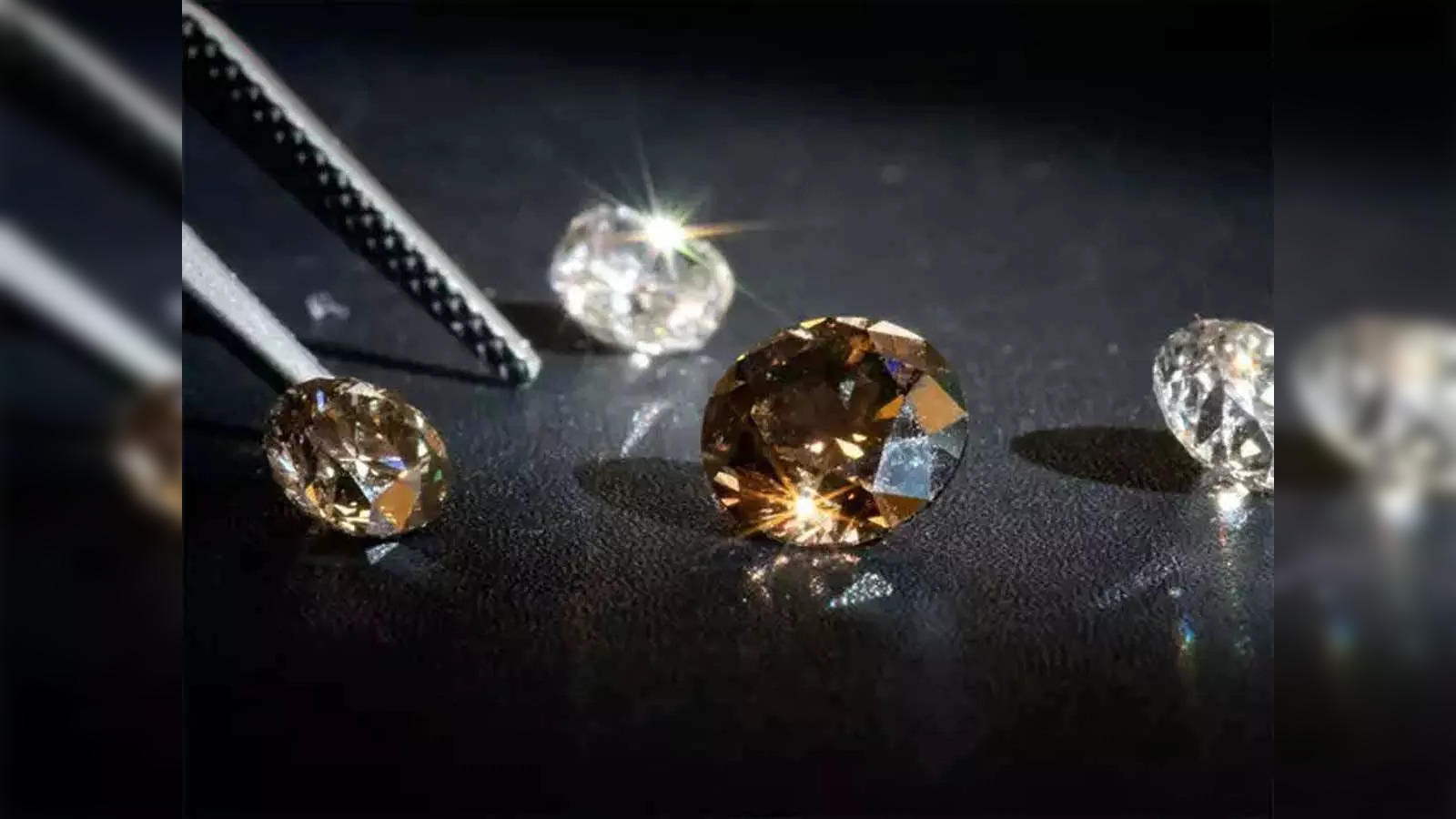
Lab grown diamonds are real diamonds created in controlled environments. They are not substitutes. They share the same structure, hardness, and appearance as mined diamonds. The only difference is origin. If you are planning to buy a ring, especially platinum engagement rings, you are likely comparing durability, value, and long term wear. The diamond you choose must match the strength and permanence of platinum. This is where lab grown diamonds come into focus. They solve a clear problem. You want a diamond that looks and performs like a natural one without paying a premium tied to rarity.
How They Are Made
There are two primary methods used to create these diamonds. Both are designed to replicate natural conditions.
High Pressure High Temperature
This process uses intense pressure and heat. Carbon is compressed around a small seed. Over time, it forms a crystal structure identical to a natural diamond.
Chemical Vapor Deposition
This method uses gas. Carbon rich gas is heated and broken down. The carbon settles layer by layer on a seed. This allows precise control over growth. Both methods produce diamonds that are indistinguishable from mined ones without specialized tools.
Why Buyers Are Considering This Option
When you shop for a diamond, you are balancing cost and quality. Lab grown diamonds change that balance. They allow you to focus on what you see and wear rather than where the stone came from.
- Lower price compared to natural diamonds
- More size options within the same budget
- Clear sourcing with no mining
- Consistent quality control
Example: You set a budget for a ring. With a mined diamond, you may get a smaller stone. With a lab grown option, you can increase carat size or improve clarity without increasing cost.
Cost and Value in Practical Terms
Price differences are significant. Lab grown diamonds often cost 30 to 50 percent less than natural stones of similar quality. This does not mean lower performance. It reflects how they are produced. Supply is not limited by nature. If you are choosing platinum engagement rings, this matters. Platinum itself is expensive. Saving on the diamond allows you to invest in a better setting or a larger stone. Example: You choose a platinum band. Instead of reducing diamond size to stay within budget, you maintain your preferred size by selecting a lab grown stone.
Quality and Certification
You should evaluate lab grown diamonds using the same standards as natural ones.
- Cut affects how the diamond reflects light
- Color measures how clear or tinted the stone is
- Clarity refers to internal imperfections
- Carat indicates size
Always check for certification from a recognized lab. This confirms the diamond’s properties. In many cases, lab grown diamonds have fewer inclusions. This is due to controlled growth conditions. Still, you should review each stone individually.
Durability and Everyday Wear
A diamond must withstand daily use. Lab grown diamonds score the same on hardness as natural diamonds. They are suitable for long term wear. This makes them a reliable choice for engagement rings. When paired with platinum, which is known for strength and resistance to wear, the result is a durable piece. You do not need to compromise on longevity.
Design Flexibility with Platinum Settings
Platinum is dense and strong. It holds stones securely and maintains its shape over time. When combined with lab grown diamonds, you gain more flexibility in design. Because the diamond costs less, you can allocate more of your budget to the setting.
- Add side stones without exceeding your budget
- Choose a custom design instead of a standard one
- Select a larger center stone
Example: You prefer a three stone ring. With a natural diamond, cost may limit your options. With a lab grown alternative, you can achieve the same design without reducing size or clarity.
Ethical and Environmental Factors
Some buyers consider the origin of their diamond. Lab grown diamonds avoid traditional mining. This removes certain concerns related to land disruption and sourcing transparency. However, production requires energy. The environmental impact depends on how that energy is generated. If this is important to you, ask about the manufacturer’s practices. Some use renewable energy which reduces impact.
Common Questions You May Have
You might still have doubts. These are common and worth addressing. One concern is authenticity. Lab grown diamonds are real diamonds. They are not cubic zirconia or other substitutes. Another concern is long term value. Diamonds are generally not purchased as financial assets. Whether natural or lab grown, resale prices vary. You may also wonder about appearance. There is no visible difference. Even trained professionals need specialized tools to identify origin.
How to Choose the Right Diamond for Your Ring
Start with your priorities. Do not rush this step.
- Decide your budget
- Choose your preferred shape
- Set minimum standards for clarity and color
- Compare certified stones
Then think about the full ring. If you are selecting platinum engagement rings, consider how the diamond sits in the setting. Platinum allows secure prongs and fine detailing. Example: You choose an oval diamond. You pair it with a platinum band and a simple setting. The focus remains on the stone while the metal ensures durability.
Where Lab Grown Diamonds Fit Today
The market has shifted. Buyers now have access to more information and more options. Lab grown diamonds are not replacing natural ones. They are offering a different path. One that prioritizes value and flexibility. For many buyers, this is enough. You get a diamond that looks identical, performs the same, and fits your budget better.
Is This the Right Choice for You
Your decision should reflect your priorities. If you value rarity and tradition, you may lean toward natural diamonds. If you value cost control and design flexibility, lab grown diamonds offer a strong alternative. Think about how you want to balance these factors. Your choice should fit your needs, not expectations set by others.
FAQ
Are lab grown diamonds suitable for platinum engagement rings
Yes. They match the durability and appearance needed for platinum settings.
Do lab grown diamonds lose their shine over time
No. They retain their brilliance just like natural diamonds when properly maintained.
Are they a good option for larger stones
Yes. They allow you to choose larger sizes without a significant increase in cost.