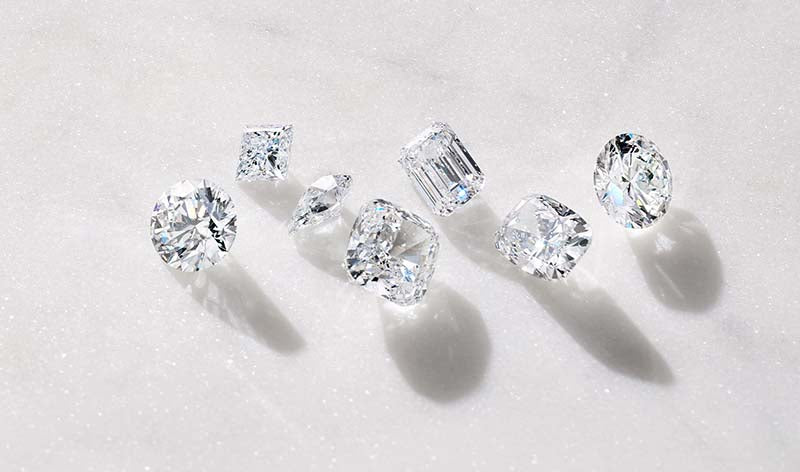


A lab grown diamond forms inside a science facility instead of deep underground. Just like earth mined stones they carry identical structure, hardness, and sparkle. In truth these gems count fully as diamonds – only their origin differs. Scientists build them mainly through intense pressure plus heat or by vapor layering techniques. Each approach copies nature’s recipe though speeds up time and sharpens control. Starting with science instead of soil, these gems skip the mine but keep the shine. Durable like their earth-dug cousins, yet shaped by technology rather than time underground. Price tags tend lower, choices often feel cleaner. Ethics weigh differently when factories replace dig sites. The glint stays strong, even if origins changed completely.
Table of Contents
Lab Grown Diamonds Offer Benefits
Emerald jewellery NZ offer benefits that address practical concerns for buyers.
- A smaller price tag means more value for your money when choosing lab diamonds. Instead of paying extra for rarity, you gain size or clarity without the markup. Savings add up fast – especially if brilliance matters most.
- Fewer worries about people or nature when materials aren’t pulled from the ground. Digging stops, harm drops.
- Every time, the lab keeps colors true, clearness sharp, sizes exact – tight rules lock each detail into place.
- What you see is what you get. Independent labs issue reports that spell out every feature of the stone. These documents back up claims with clear data. Each trait gets recorded – nothing left vague. Proof sits on paper, not just promises.
A single carat lab created diamond could be priced around thirty percent below a natural stone with matching traits. Getting more size or better purity becomes simpler when costs are lower.
Choosing a lab grown diamond
When selecting a lab grown diamond, consider these factors:
- A diamond’s sparkle depends on its cut. When light enters, it bounces inside – this bounce shapes brightness. If the angles are right, more light escapes back to the eye. Poor shaping lets light leak out the sides. The result? Less shine. Precision matters most here.
- Faults inside matter less when there are fewer of them – vision sharpens as a result. Grading done by labs nails down just how clear each piece really is.
- Faint hints of yellow might show up in some lab stones, others stay perfectly clear. Preference guides one choice, the metal around it another. A white gold frame can make a near-colorless stone look brighter. Some people do not mind a warm glow, especially in rose gold.
- Size matters when picking a gem, but money talks. Balance what you want with what costs less. Design goals shape choices too – spend wisely where it shows most.
Start by checking reports from known labs – say, GIA or IGI. Only when those papers back it up can you trust what lies behind the shine.
Lab Grown Diamonds versus Natural Diamonds
A lab made diamond carries the same chemistry as one pulled from the earth. What sets them apart comes down to where they come from, how much they cost, yet also their effect on nature.
- Fresh out of high-tech labs, these stones form under precise conditions. From deep within the planet, natural ones emerge after long journeys underground.
- Might save you money – lab created stones often come in lower on price for identical cut and carat.
- Pulling stones from the ground often damages natural habitats. Yet lab-made gems skip that damage entirely. What grows under pressure below stays undisturbed when science steps in above.
Beauty that lasts just as long comes through another door. Cost less. Feel better about it too.
Caring for Lab Grown Diamonds
Lab grown diamonds require standard diamond care:
- Rinse often with lukewarm liquid along a soft cleanser. Water temperature matters just as much as the wipe-down motion later that day.
- Few cleaning agents risk weakening the hold.
- Pieces kept apart won’t mark up your other jewelry.
Still, a little care goes far in keeping things bright and lasting longer. Though tough, tiny steps make a difference over time.
Where to Buy Lab Grown Diamonds
Some trusted jewelers offer lab made diamonds through their websites, others at physical stores nearby.
- Check the supplier’s certifications.
- Start by checking different offers to see what things usually cost.
- Avoid skipping what past buyers had to say. Their words often show what you might face later.
- A certified document should accompany the stone, proving it was made in a lab. Verification arrives with the gem, showing its man-made origin. Proof of laboratory creation travels alongside the jewel itself.
Finding diamonds in New Zealand might mean stopping by a small-town jeweller or browsing trusted websites where you see them up close first.
FAQ
Are lab grown diamonds real diamonds?
Fine, they match real diamonds in every chemical and physical way. What sets them apart comes down to where they come from. Only the source makes a distinction.
Do lab grown diamonds hold value?
Luckily their worth sticks around, even if buyers pay less compared to real diamonds – people just see them differently.
Can lab grown diamonds be customized?
Fine. Pick the shape, how big it is, then how it’s placed – custom work goes smoother since everything stays uniform across pieces.