

Table of Contents
What Lab Grown Diamonds Are
You may already know what a diamond looks like. What matters here is how it is made. Lab grown diamonds are created in controlled environments using heat and pressure. These conditions mirror what happens deep in the earth. The result is a diamond with the same structure and hardness as a mined one.
This is not an imitation. It is not a substitute material. It is a real diamond formed by a different process. When you view it without labels you cannot tell the difference by sight alone.
The key distinction is origin. One comes from the ground. The other comes from a lab. Everything else flows from that fact.
Why Origin Matters to You
The source of a diamond affects cost availability and traceability. When you choose a lab created stone you gain more control over each of these.
You can often select higher clarity or color within the same budget. You can also avoid uncertainty about mining practices. For many buyers this matters more than tradition.
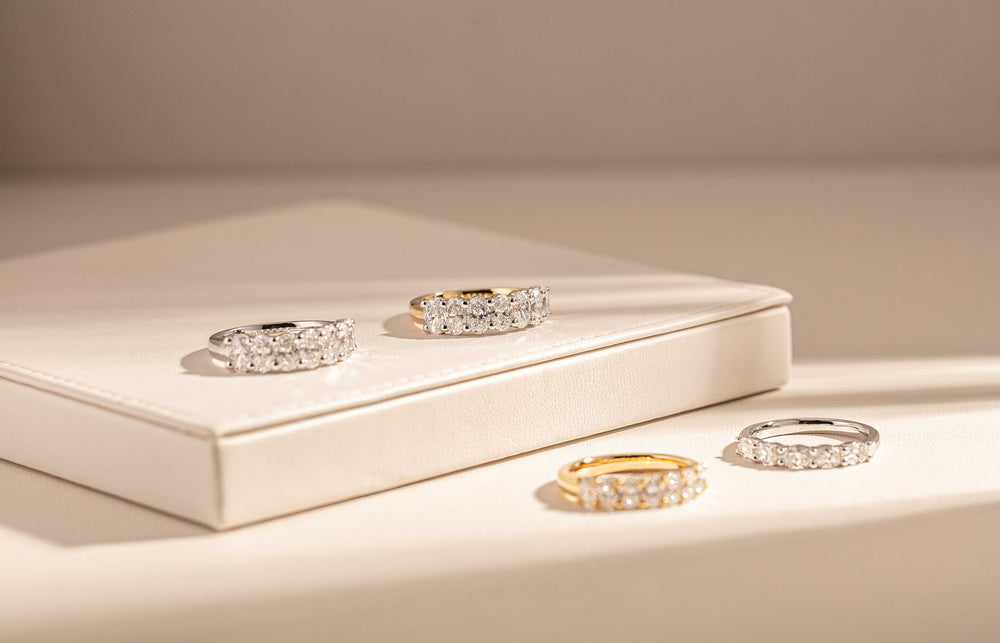
If you are pairing a diamond with yellow gold the origin can matter even more. Yellow gold highlights warmth. A well chosen stone should complement that tone rather than fight it.
How Lab Created Stones Compare Visually
In daily wear the visual experience is identical. Light enters the stone. It reflects and refracts. Fire and brilliance depend on cut quality not origin.
In yellow gold settings warmth is already present. A slightly warmer diamond can look intentional rather than flawed. This gives you flexibility in grading choices.
Example
A G color diamond in yellow gold often appears bright white. In white gold the same stone may show more warmth.
Cost Control and What You Can Do With It
Price differences are one of the most practical reasons people choose lab grown diamonds. Lower cost does not mean lower quality. It means fewer layers of extraction transport and markup.
That saved budget can be used in specific ways.
- Choose a larger stone without sacrificing cut
- Upgrade craftsmanship in the setting
- Allocate funds toward a custom design
Each of these has a visible effect on the final ring. None of them are abstract benefits.
Ethical and Environmental Factors
You may care about impact. You may not want your ring connected to land disruption or unclear labor practices. A lab setting offers traceability. You know where the stone came from and how it was produced.
This does not make the choice moral or superior. It makes it informed. If alignment matters to you this path removes unknowns.
Durability and Long Term Wear
A diamond is valued for hardness. That property is the same regardless of origin. Daily wear exposure will not differ. Scratches chips and abrasions depend on care not source.
Yellow gold is softer than some other metals. This affects prongs and edges not the stone itself. Regular inspection matters more than diamond type.
If you plan to wear your ring every day focus on setting quality. A secure design protects the diamond and preserves the gold.
How These Diamonds Work in Yellow Gold Settings
Yellow gold has a strong visual identity. It is warm reflective and traditional. The diamond must balance that without appearing dull.
Lab grown diamonds give you choice. You can select cut proportions that emphasize brightness. You can also choose shapes that suit yellow gold such as oval cushion or round.
Because budget pressure is lower you can experiment more confidently.
Example
A slightly larger oval diamond can elongate the finger and balance the richness of yellow gold.
Resale and Perceived Value
Resale is often discussed but rarely planned for. Most yellow gold engagement rings are not sold. They are worn and kept.
Market perception may differ between diamond origins. That matters only if resale is your priority. If the ring is symbolic and personal perceived value comes from meaning not market trends.
It is better to choose based on what you want to wear rather than what someone else might buy later.
Questions to Ask Before You Buy
Before committing ask yourself practical questions.
- Do I want the largest stone possible or the best cut quality
- Does origin matter to me emotionally or ethically
- How does this diamond look in yellow gold under natural light
Bring these questions into the showroom or design process. Clear priorities prevent regret.
Working With a Jeweler
Not all jewelers present lab grown diamonds with the same transparency. Ask for grading reports. Ask to compare stones side by side. Look at them in the actual metal you plan to use.
A good jeweler explains without pressure. If you feel rushed step back. This is a long term piece.
Making the Decision With Confidence
Choosing a diamond is not about keeping up. It is about alignment. When origin appearance and budget line up the decision feels settled.
Lab grown diamonds offer flexibility and control. When paired with yellow gold they can create a ring that feels grounded and intentional.
You are not choosing less. You are choosing deliberately.
FAQ
Are lab grown diamonds real diamonds
Yes. They have the same chemical structure and hardness as mined diamonds. The difference is only how they are created.
Do these diamonds look different in yellow gold
No visible difference exists. Yellow gold can even enhance warmth and balance in the stone.
Will a jeweler set them in yellow gold engagement rings
Most jewelers do. You should confirm experience and ask to see finished examples before ordering.